• About
  • Publications
  • Blog
  • Writing
  • Reading
  • Travel
Menu

David H Weinberger

Street Address
Exploring writing, reading, and traveling.
Phone Number
Engaging through stories.

Your Custom Text Here

David H Weinberger

  • About
  • Publications
  • Blog
  • Writing
  • Reading
  • Travel

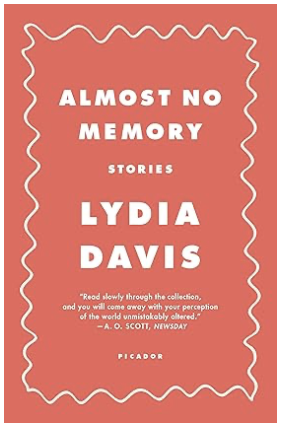
Almost No Memory, Lydia Davis

June 25, 2026 David H Weinberger

Almost No Memory, Lydia Davis, 1997. Included in The Collected Stories of Lydia Davis, 2011.

Davis’ short stories have been labeled as miniatures, prose poems, and contemplations, among other descriptors as a way to understand what she is doing in her work. I do find myself questioning what each small offering is supposed to be but ultimately it really doesn’t matter. Davis explores the inner workings of the mind as it works to make sense of relationships and reality and her form is an excellent way to do so. While sometimes confused as to the message of a particular story I was intrigued with each piece. The Thirteenth Woman, where the first twelve women completely ignore the thirteenth, is simply delightful. In Foucault and Pencil, a woman strives to understand the meaning and cause of an argument with her partner. And my favorite, The Race of the Patient Motorcyclists, reads like a paean to slowness.

There is a scene I love in a Samuel Beckett story about a character holding three pebbles as he goes through the iterations in his mind of how he can put them in two pockets one at a time: an incredible scene. Many of the stories in Almost No Memory are like this: characters thinking through the possibilities of doing a particular task but being unable to reach a conclusion. Other stories are essentially lists but read like dynamic and meaning-filled short stories.

How Almost No Memory informs my writing.

As I read these stories, I did have some confusion of what the meaning was, especially in light of the title of the collection. Ultimately, my take away is that Davis is suggesting that in our present conflicts or disagreements we have no memory of how we got into that situation or into that particular relationship with the partner we are having a conflict with: we are totally consumed with thinking through the current problem. I realize this is a simplistic interpretation but with it I was better able to process each story. And I am not suggesting that I know what Davis meant with the individual stories or with the collection as a whole. But what I appreciate is that her art is not really about a particular meaning or take away. The stories stand on their own but they also work well as a unified whole. This is what I would like to accomplish with my newest short story collection I have been putting together. My stories are about the current US political situation and the effect many of their dictates have on everyday people. I am hopeful that the stories add up to a powerful message but one that I am not blatantly proclaiming. I would like it to be as subtle as Davis’.

My story Fragility comes closest to the method Davis uses, though I am in no way comparing my work to hers: hers is a genius I will most likely never attain. In my story a mother is tormented by her son’s behavior of talking to his dead grandfather and is put off by the ‘help’ his school offers. It is a mere 1700 words and I have been told that people love it or hate it; there doesn’t seem to be any in-between. But I mention it because I feel it is short on explanations and simply presents a situation that I hope the reader will analyze independently. Fragility was first published by the now defunct Slag Review but can be found in my collection Not So You’d Notice, available at Amazon.
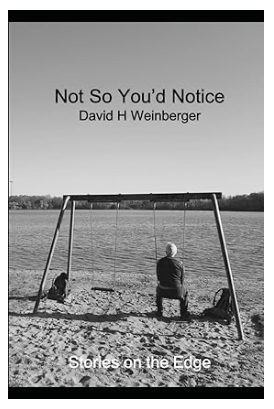
My story collection!
In BOOKS, FICTION, READING Tags short stories, book review, Lydia Davis, Almost No Memory, fiction
Comment

Reading List June 2026: Part 1

June 14, 2026 David H Weinberger

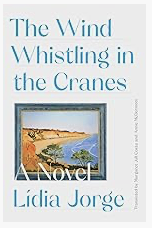
The Wind Whistling in the Cranes, Lidia Jorge, translated by Margaret Jull Costa and Annie McDermott. This is a Portuguese novel that takes place in Valmares, a fictional town along the Algarve coastline. It portrays two rival families: the owners of the town’s previous canning factory (the Leandro family) and working class immigrants from Cape Verde (the Matas family) who now reside in the abandoned factory. The main character Milene is a Leandro and her suitor, Antonino, is a Matas. It is a slow moving novel but still quite good. I became impatient with Milene’s slow decision making but the behavior fit her character well and as the novel developed I enjoyed her introspective tendencies and freewheeling spirit. While a lot of the story centers around the developing romance between these two characters, Jorge also explores postcolonial memory and consequences, racial antagonism, economic divisions, and the nature of evil. The novel also includes a strong sense of place, from the placement of the factory near the coast, to Milene’s inherited isolated home, from the Matas matriarch longing for Cape Verde to the Leandro’s desire to develop the property. Overall, an enjoyable read.

How The Wind Whistling in the Cranes informs my writing.

The novel’s sense of place is outstanding, something I often neglect in my stories. While setting is important in my writing, such as in my short stories Bluebird (a school bus) and Sorting Through Clams (a clamming boat), they could have been stronger had I been clearer about the importance of those places in the development of my characters. Jorge does that really well.

Jorge explores the nature of evil (something I am studying now) in her novel and I appreciate how she wove it into daily conversations and internal thoughts, rather than a blatant exposition about evil. It is masterfully done and nicely parceled out throughout the novel. It is what I am attempting with the novel I am currently writing and I will revisit Jorge’s success in implementing this skill.

Check out my stories in my collection Not So You’d Notice available at Amazon. Let me know how sense of place is used in Bluebird and Sorting Through Clams.

In BOOKS, FICTION, READING, WRITING Tags READING, writing, book review, short stories, novel, Not So You'd Notice
Comment

Reading List April 2026

May 18, 2026 David H Weinberger
AprReads_Booker.png AprReads_Exley.png AprReads_Fonseca.png AprReads_Honek.png AprReads_Ohare.png AprReads_Weil.png

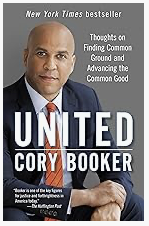
·       United, Cory Booker. A memoir covering Booker’s early social and political development with a cast of inspirational activists. His focus in on responsibility towards and connection with others. While the concept of empathy is taking a bruising these days, Booker applauds it and encourages it as a mainframe of ethical living. He acknowledges the privileges and opportunities he was granted simply by being born in the right place and the right time and suggests the concept of paying it forward as a means of paying the debts accrued from receiving these gifts. While I remain a cynic as far as how effective kindness can be in today’s toxic relational climate, I support living a life based on kindness in opposition to cruelty and self-centeredness, which is a main theme throughout this book.

·      A Fan’s Notes, Frederick Exley. This novel was recommended to me by a friend and it sat on my shelf for years before I finally got around to reading it this month. It fits well alongside books by Henry Miller and Charles Bukowski. The main character, soured by life and alcoholism at an early age, splits his time between mental hospital stays and making a mess of his life and relations. Fairly routine situations albeit with a host of keen observations, my favorite being the following where the narrator is discussing the aggressors in World War II: ‘…my brother would in no time at all be in a rather ludicrous uniform of his own, with a few million other Americans called upon to pay the heavy toll for having failed to recognize insanity for the pernicious evil it is.’

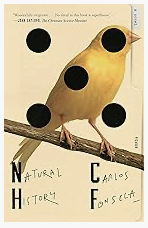
·      Natural History, Carlos Fonseca, translated by Megan McDowell. Natural History is a novel with a wide cast of characters and narrative points of view. The story encompasses art and science, politics and religion and explores the theme of identity, specifically repetition, camouflage, anonymity, and the masks we wear. Three related story lines, and perhaps a few minor ones, intersect in this wonderfully complex and engaging novel.

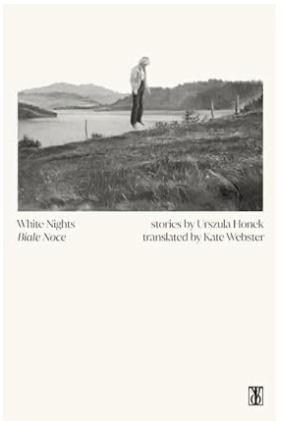
·      White Nights, Urszula Honek, translated by Kate Webster. A short story collection out of Poland that deals with a cast of characters surrounded by and enmeshed in death. I found the subject matter and the harsh living conditions described engaging, as well as the plight of the characters as they searched for a reason to go on living and a way out of their dismal environment. The best story in the collection is Hanna where the main character, in explaining the behavior of those around her, states “they’re not consumed by sorrow in a single moment, but throughout their lives…” Through somber and bleak prose these stories speak to the difficulty in rising above stark surroundings and fighting against ever-present brutality.

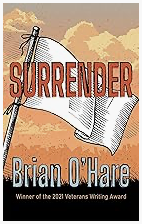
·      Surrender, Brian O’Hare. A collection of short stories with the Marines and soldiers at war as the backdrop for O’Hare’s exploration of what defines a man in America. A nice addition to my research into gentleness, the recurring cast of characters in these stories struggle with generational definitions of masculinity as they forge their own paths and make similar, sometimes unique mistakes of their own. Well worth reading while Trump and Hegseth push an aggressive war in Iran along with their ‘macho’ posing.

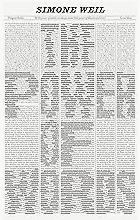
·      The Power of Words, Simone Weil, translated by Richard Rees and Arthur Wills. A powerful set of philosophical essays addressing the emptiness of words in social and political discourse. She suggests ways around this problem presenting what she finds are the ethics which should be guiding our lives. Incredibly topical arguments considering how the current administration hurls empty words and phrases at us (except for the inherent cruelty which lies behind those words and phrases).

In FICTION, READING, WRITING Tags novels, nonfiction, short stories, book review, gentleness, toxic masculinity
Comment

Reading List March 2026

April 10, 2026 David H Weinberger
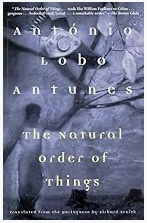
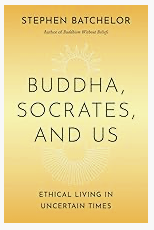
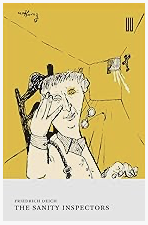
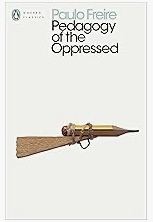
MarReads_Antunes.png MarReads_Batchelor.png MarReads_Deich.png MarReads_Freire.png MarReads_Gros.png MarReads_Phillips.png MarReads_Solnit.png

·      The Natural Order of Things, Antonio Lobo Antunes, translated by Richard Zenith. Another great stream of consciousness novel from Antunes, this time about two families falling apart in a crumbling Portugal. I love the labyrinth Antunes builds with his prose, how the confused relation between the characters slowly unfolds, and how we rapidly jump between the thoughts of different characters. Always a challenge but always rewarding.

·      Buddha, Socrates, and Us: Ethical Living in Uncertain Times, Stephen Batchelor. An interesting nonfiction book that explores the similarities and differences in the teachings of Buddha and Socrates. Well thought out explanations and investigations addressing how the teachings of the two men could aid us in living an ethical life. Considering how radically uncertain things are today I’m not sure I left with any immediate steps I could take in that direction, but still, good to be reacquainted with their line of thinking.

·      The Sanity Inspectors, Friedrich Deich, translated by Robert Kee. I thoroughly enjoyed this novel published by Boiler House Press. Sinclair McKay asks in his introduction ‘When an entire society is in the grip of a murderous set of beliefs, how might individuals retain their own moral foundations?’ He was setting up the background for The Sanity Inspectors but it is a question I ask myself on a regular basis about current affairs. And it is the question the protagonist Robert Vossmenge, a German air force psychiatrist in the 30’s and 40’s, struggles with throughout the story. Along the way Vossmenge debates the line between sanity and insanity, the need for compassion to understand others, and the role one should take in opposing oppressive and violent regimes. Truly an illuminating discussion.

·      The Pedagogy of the Oppressed, Paulo Freire, translated by Myra Bergman Ramos. The first time I read this book was while getting my undergraduate degree, the second during my years of my master’s degree, and the third this month. A good book to return to often to understand oppression and the role of education in freeing oppressed people. Pertinent today as much as when it was written in the 60’s, it’s like Freire is directly addressing the growing American Oligarchy and the oppressive administration. Great reading!

·      A Philosophy of Walking, Frédéric Gros, translated by John Howe. I took this book with me on my week-long walk on Germany’s Rennstieg and read it when I was not walking the trail. It is a great accompaniment to a week of slow hiking on a fantastic trail. Because my wife and I were not feeling well we dramatically slowed down our hiking pace and walked some distance apart. I felt exactly what Gros was talking about in his book: feeling embraced by the environment, escaping my identity, clearing my mind, and having nothing to do but put one foot in front of the other. Gros discusses prominent philosophers who incorporated walking into their daily routines along with accompanying thoughts about his own wanderings and a general history of walking. This is a very interesting read with plenty of insightful comments about the idea of walking and what it means to slow down and rebel against speed.

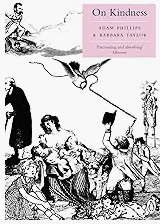
·      On Kindness, Adam Phillips and Barbara Taylor. Through historical, philosophical and psychoanalytic investigations Phillips and Taylor offer answers to the question why kindness seems so dangerous. They support the view that contemporary society drives out the natural kindness of children and that kindness is now seen as a weakness. A good primer on kindness

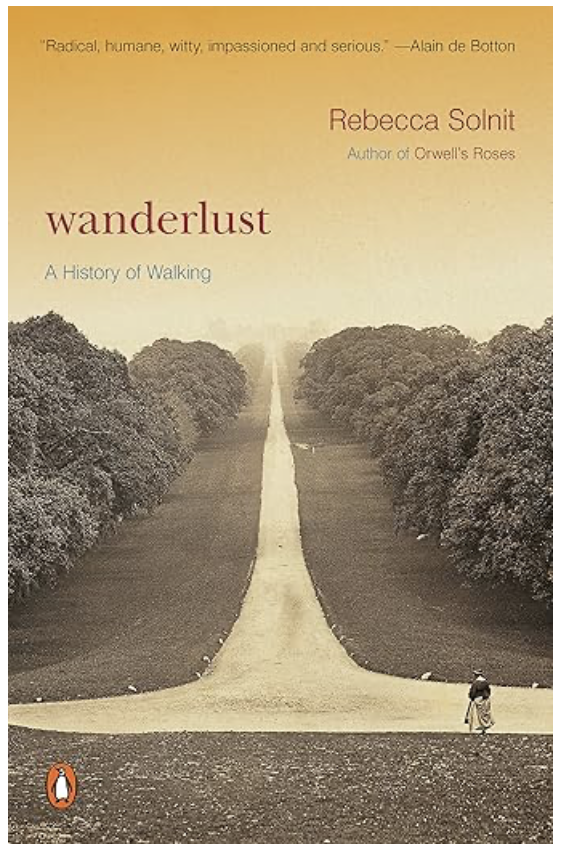
·      Wanderlust: A History of Walking, Rebecca Solnit. This was a nice companion read alongside Gros’ book while walking the Rennsteig. Unlike Gros’ focus on long distance walking, Solnit’s is an exhaustive history of walking, from walking in gardens and cities, to pilgrimages and marches. The guiding message of these essays is that walking ‘is a state in which the mind, the body, and the world are aligned.’ But Solnit also gives fair amount of time to the increasing lack of walking in today’s society due in large part to ‘automobilization and suburbanization.’ Not quite as intriguing as Gros’ book but still worth the read.

In BOOKS, FICTION, READING Tags READING, novels, nonfiction, philosophy, reading list
Comment

Reading List February 2026

March 10, 2026 David H Weinberger
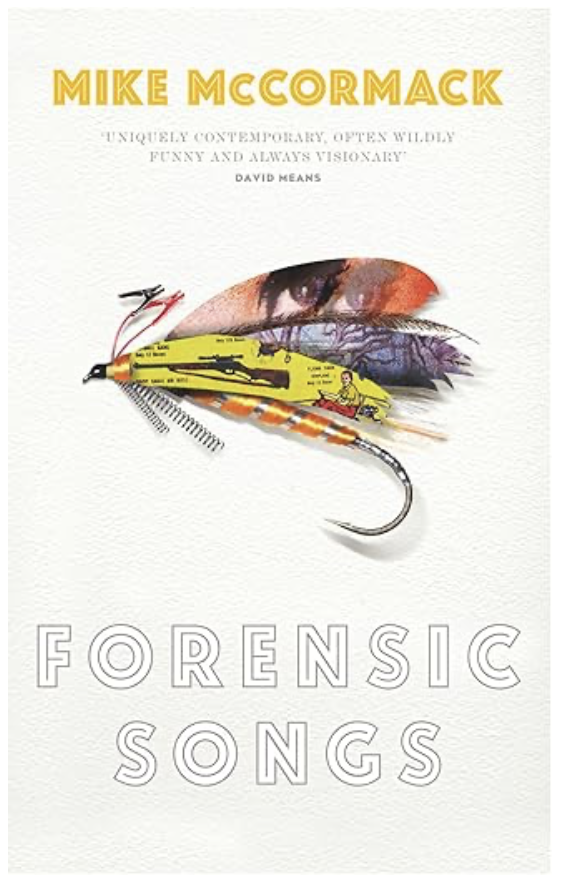
FebReads_Bolano.png FebReads_DeBeauvoir.png FebReads_Hooks.png FebReads_McCormack.png FebReads_Weiss.png

Like January, a mere five books read this month, however the Weiss and the de Beauvoir both took a lot of time and effort. Very impressed with the Weiss and have the second and third volumes on my ‘to read’ shelf.

·      The Ethics of Ambiguity, Simone de Beauvoir, translated by Bernard Frechtman.

·      The Secret of Evil, Roberto Bolaño, translated by Chris Andrews and Natasha Wimmer.

·      The Will to Change, bell hooks.

·      Forensic Songs, Mike McCormack.

·      The Aesthetics of Resistance: Volume I, Peter Weiss, translated by Joachim Neugroschel.

In BOOKS, FICTION, READING Tags reading list, reading, novel, philosophy, short stories
Comment

Reading List January 2026

February 11, 2026 David H Weinberger
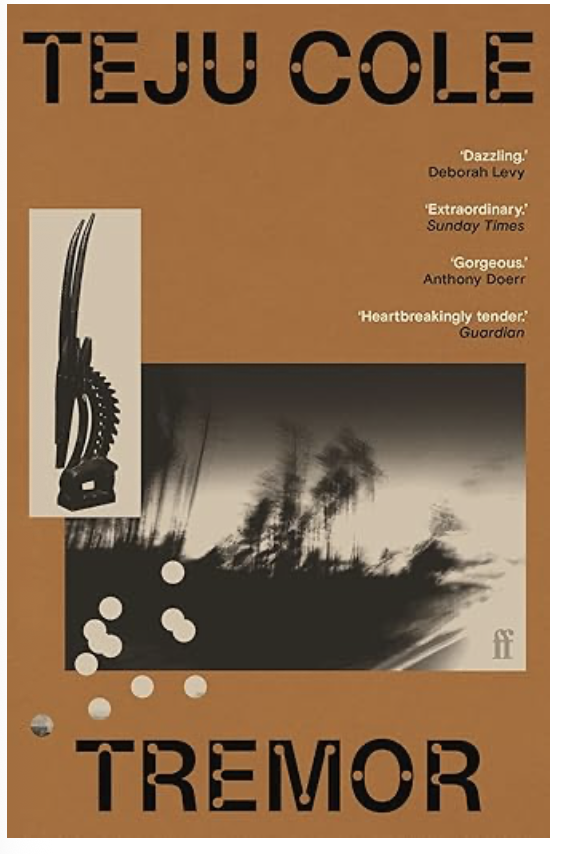
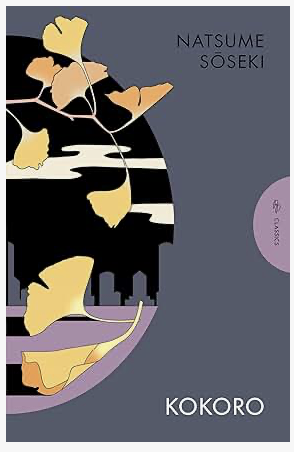
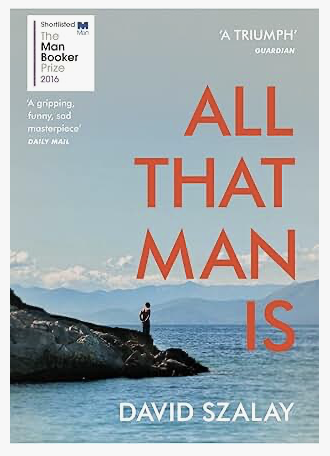
JanReads_Bowles.png JanReads_Cole.png JanReads_Patrick.png JanReads_Soseki.png JanReads_Szalay.png

I’m not sure why I only read five books in January but there it is. Like December, I put off writing brief reviews a bit too long so here I provide simply a list of my January books.

·      Plain Pleasures, Jane Bowles.

·      Tremor, Teju Cole.

·      Mrs. S, K. Patrick, 4th Estate, 2023.

·      Kokoro, Natsume Soseki, translated by Edwin McClellan.

·      All That Man Is, David Szalay.

In READING, FICTION, BOOKS Tags READING, books, fiction, books in translation
Comment

Reading List December 2025

February 11, 2026 David H Weinberger
DecReads_Antunes.png DecReads_Bolano.png DecReads_Kiergegaard.png DecReads_King.png DecReads_Mills.png DecReads_Msohfegh.png DecReads_Vonnegut.png

No reviews here because I put it off too long. Just a list of the books I read in December 2025.

·      Midnight is Not in Everyone’s Reach, António Lobo Antunes, translated by Elizabeth Lowe.

·      The Insufferable Gaucho, Roberto Bolaño, translated by Chris Andrews and Natasha Wimmer.

·      Repetition, Soren Kiergegaard.

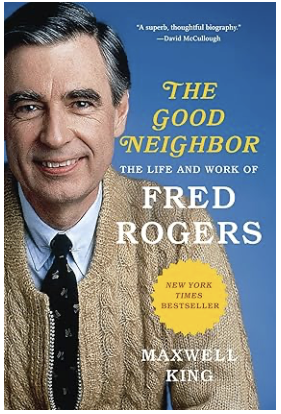
·      The Good Neighbor: The Life and Work of Fred Rogers, Maxwell King

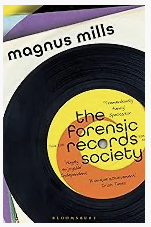
·      The Forensic Records Society, Magnus Mills.

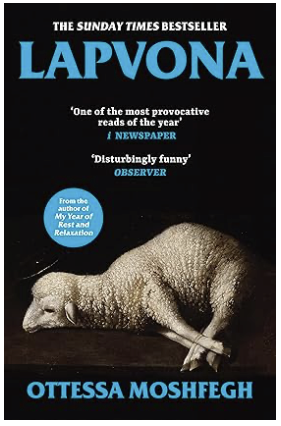
·      Lapvona, Ottessa Moshfegh.

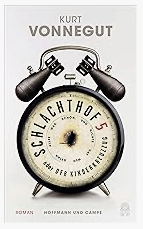
·      Slaughterhouse Five, Kurt Vonnegut.

In FICTION, READING, BOOKS Tags fiction, philosophy, READING
Comment

Reading List October 2025

November 12, 2025 David H Weinberger
OctReads_Bazterrica.png OctReads_Blackwell.png OctReads_Bolano.png OctReads_Bradbury.png OctReads_Latronico.png OctReads_Williams.png OctReads_Zamora.png

·      The Unworthy, Agustina Bazterrica, translated by Sarah Moses. Another incredible novel from the author of Tender is the Flesh, one of my favorite reads of 2020. This time the story takes place in a dystopian convent ruled over by a cruel male leader and an equally cruel Superior Sister. It is a brutal hierarchical world of women with plenty of abuse at all levels. Great story exploring misogyny, faith, and masochism. Scary how it mirrors our current world.

·      Babel, Gabriel Blackwell. A short story collection attempting to unravel the confusion we experience when we confront ourselves and those around us. Some interesting characters and situations but lacking as a whole.

·      The Return, Roberto Bolaño, translated by Chris Andrews and Natasha Wimmer. Another incredible short story collection from Bolaño. This time along with his regular themes there is a greater focus on death. Wonderful stories!

·      Fahrenheit 451, Ray Bradbury. A classic novel and a pleasure to reread as part of my research on book banning for a series of short stories I am working on. Should be required reading for the folks working so tirelessly banning books these days.

·      Perfection, Vincenzo Latronico, translated by Sophie Hughes. Story of an expat couple living their 20’s through 40’s as web designers. They make sense of their lives and attempt to find meaning by procuring the ‘right’ consumer goods only to discover how empty their lives are after an adulthood spent emulating the digital world.

·      The Man Who Cried I Am, John A. Williams. A 1967 novel about a black writer navigating the world of politics and journalism. Wonderful study of mortality and interracial relations, including a vicious government plot to deal with racial problems.  

·      Solito, Javier Zamora. Harrowing memoir about a nine-year-old boy migrating to the USA from El Salvador, including the impressive story about the humanity showed by those who helped him on his way. The author does not include discussion about the pros and cons of migration but rather uses the platform to share the plight of those in the process. Certainly a valuable story to include in those discussions.

In READING, FICTION, BOOKS Tags reading list, fiction, nonfiction, memoir, READING
Comment

Reading List September 2025

October 23, 2025 David H Weinberger
SeptReads_Bolano.png SeptReads_Cardenas.png SeptReads_Hedges.png SeptReads_Markson.png SeptReads_RiveraGarza.png SeptReads_Slesinger.png

·      Last Evenings on Earth, Roberto Bolaño, translated by Chris Andrews & Natasha Wimmer. The first of four Bolaño short story collections I plan on rereading. Struggling and failed writers populate these incredible stories. These are downtrodden exiled characters and there is a continual threat of violence which propels the narratives.

·      American Abductions, Mauro Javier Cárdenas. This novel from Ecuador is set in America in the near future but closely resembles the present despite its technological advancements. The novel explores the psychological and physical stress caused by the deportations of Latin Americans living and working in the USA. Frightening but intriguing experimental writing.

·      America: The Farewell Tour, Chris Hedges. Hedges nonfiction book examines what he sees as America’s decline with chapters addressing hate, work, freedom, addiction and more. Sober reading providing an interesting analysis of the main culprit, the corporate state.

·      Vanishing Point, David Markson. A continuation of Markson’s This is Not a Novel with a deeper focus on impending death. Presented as notes Author has collected on index cards mainly about the challenges of creative life. Looking forward to the final novel.

·      Death Takes Me, Christina Rivera Garza, translated by Sarah Booker & Robin Meyers. A literary crime narrative out of Mexico involving gendered violence and deeply steeped in an exploration of poetry. Incredible experimental writing.

·      Time: The Present, Tess Slesinger. Selected stories from Slesinger writing from the 1930’s. There are a handful of extremely excellent stories in this collection but overall I was impressed with Slesinger’s exploration of gender relations, worker exploitation, and race politics through her modernist style.

In BOOKS, FICTION, READING Tags novels, short stories, nonfiction, read, book review
Comment

Tiny Points of Contact: My Latest Publication

October 19, 2025 David H Weinberger

Ivo Review cover: Issue One: Connections

My newest publication has dropped at Ivo Review. Tiny Points of Contact was included in their first themed issue exploring Connections. The story was inspired by a kayak trip I took decades ago observing manatees in the mango groves of Florida. I rewrote it several times and it is awesome to see it finally find a home. I hope you enjoy reading it as well as the other stories and poems in Ivo Review.

In FICTION, READING, WRITING Tags connections, short stories, literature, literary journals, manatees, dogs
Comment
← Newer Posts Older Posts →
Summary Block
This block is invalid. Please check the block settings and try again.
Featured
Aenean eu leo Quam
Aenean eu leo Quam

Quisque iaculis facilisis lacinia. Mauris euismod pellentesque tellus sit amet mollis.

Read more →

Powered by Squarespace