• About
  • Publications
  • Blog
  • Writing
  • Reading
  • Travel
Menu

David H Weinberger

Street Address
Exploring writing, reading, and traveling.
Phone Number
Engaging through stories.

Your Custom Text Here

David H Weinberger

  • About
  • Publications
  • Blog
  • Writing
  • Reading
  • Travel

Playing at Cruelty: The Fear of Names

September 8, 2026 David H Weinberger

Available Short Story Collection

Playing at Cruelty, a short story in this collection, written in 2019, is my attempt to protest Trump’s propensity to rename things and a warning about the cruelty and danger inherent in such behavior. I don’t think I was far off! Paperback copies and Kindle editions available at all Amazon sites. And at various Book Boxes across Germany!

In BOOKS, FICTION, READING Tags books, short stories, READING
Comment

The Offing, Benjamin Myers.

September 4, 2026 David H Weinberger

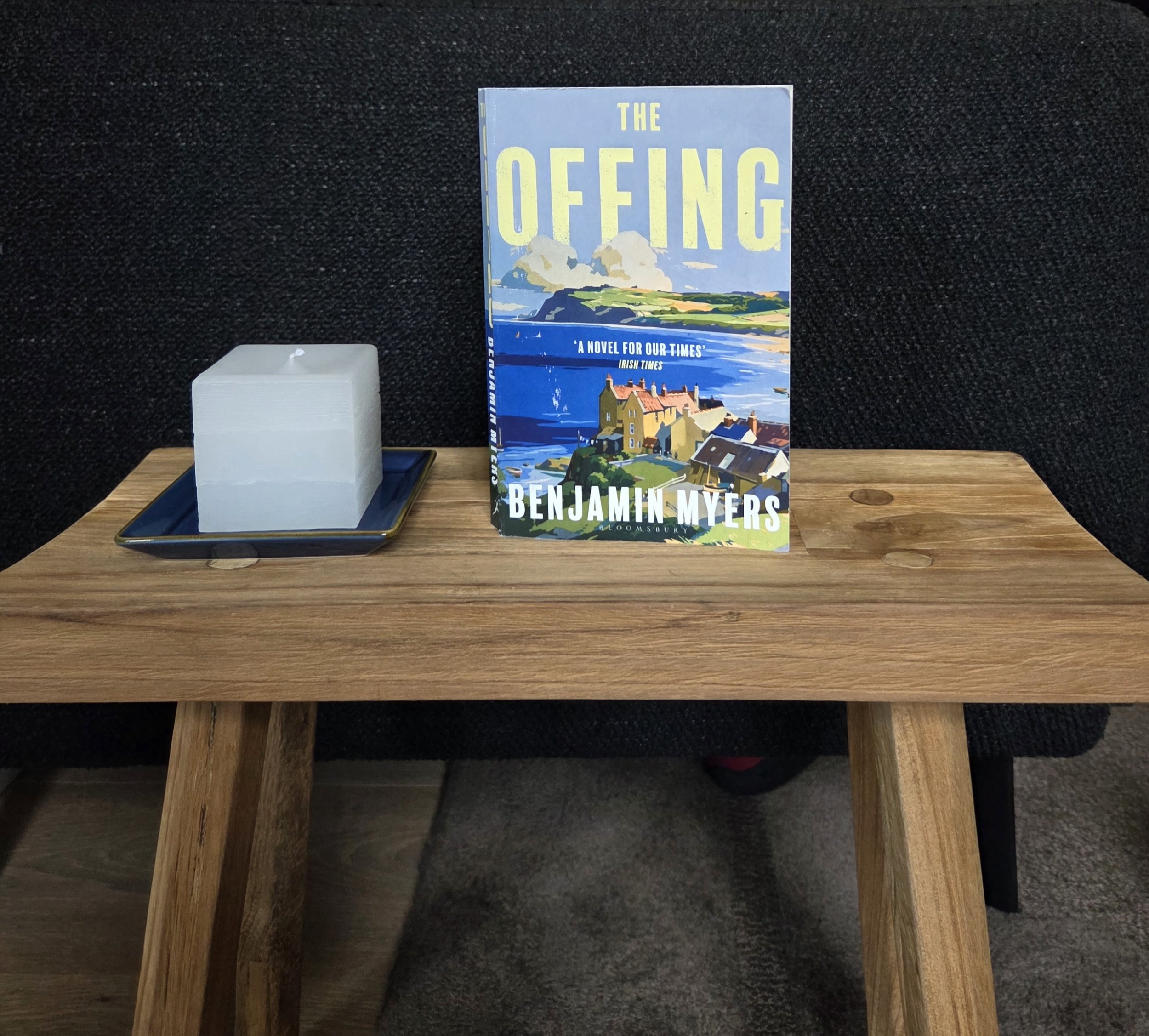
The Offing, Benjamin Myers, 2019.

This novel set in a small village on the coast of the United Kingdom is more lyrical than what I prefer to read. I chose to read it though because I was interested in how the author handled the growing friendship between an older, independent woman and a 16 boy exploring the world outside his village. I have been creating a similar dynamic in my novel-in-progress and thought I could learn something from this highly reviewed author. I found the characters well developed, the budding relationship intriguing, and the overall story quite enjoyable and emotionally engaging.

Robert is the boy who leaves his mining village to escape “limited expectations” and before he meets Dulcie we are treated to wonderful descriptions of the path he follows: nature is expertly described, as well as the opening of Robert’s eyes to the world around him. He stumbles upon the recluse Dulcie who lives alone in her modest cabin overlooking the sea. She becomes a natural tutor and guide to Robert and I loved getting to know her and her backstory which we discover along with Robert. Dulcie has a streak of bitterness to her worldview caused by some of her experiences which are revealed as Robert makes a more permanent home with her. Overall, the novel is a coming of age story, as well as a reckoning of a long life, and a wonderful exploration of growing with another person and enjoying the simplicities and beauty of the world.

In BOOKS, FICTION, READING Tags fiction, novels, book review, READING
Comment

Your Silence Will Not Protect You, Audre Lorde, 2017

August 31, 2026 David H Weinberger

Your Silence Will Not Protect You, Audre Lorde, 2017.

This collection offers essays and speeches from the late 1970’s through the early 1980’s but reads as if it were written today. Not much seems to have changed since Lorde wrote these marvelous pieces. Lorde is primarily addressing black women in this work but her message is clear and clarion for all willing to read and listen.

My favorite quote from the collection, a collection full of valuable statements and suggestions, is the following from a transcribed talk called Learning from the 1960’s:

“Within each one of is there is some piece of humanness that knows we are not being served by the machine which orchestrates crisis after crisis and is grinding all our futures into dust.”

In the collection she speaks against politics, racism, sexism, heterosexism, and homophobia and her words are inspirational, encouraging, and anger-producing. She cautions, as the title suggests, that silence is dangerous and serves no purpose than to perpetuate oppression.

This is an incredible collection and an amazing introduction to such an astute thinker. I loved her efforts to empower oppressed people and to educate others to work sincerely across groups and differences to battle the vertical axis of power and abuse. Though I am not naïve enough to think that her words could have a positive impact on today’s cruel power structures I take to heart these words that it is worth engaging in the battle:

“It is learning how to stand alone, unpopular and sometimes reviled, and how to make common cause with those others identified as outside the structures in order to define and seek a world in which we can all flourish. It is learning how to take our differences and make them strengths.” (from the essay The Master’s Tools Will Never Dismantle the Master’s House)

In BOOKS, READING Tags nonfiction, book review, READING, protest
Comment

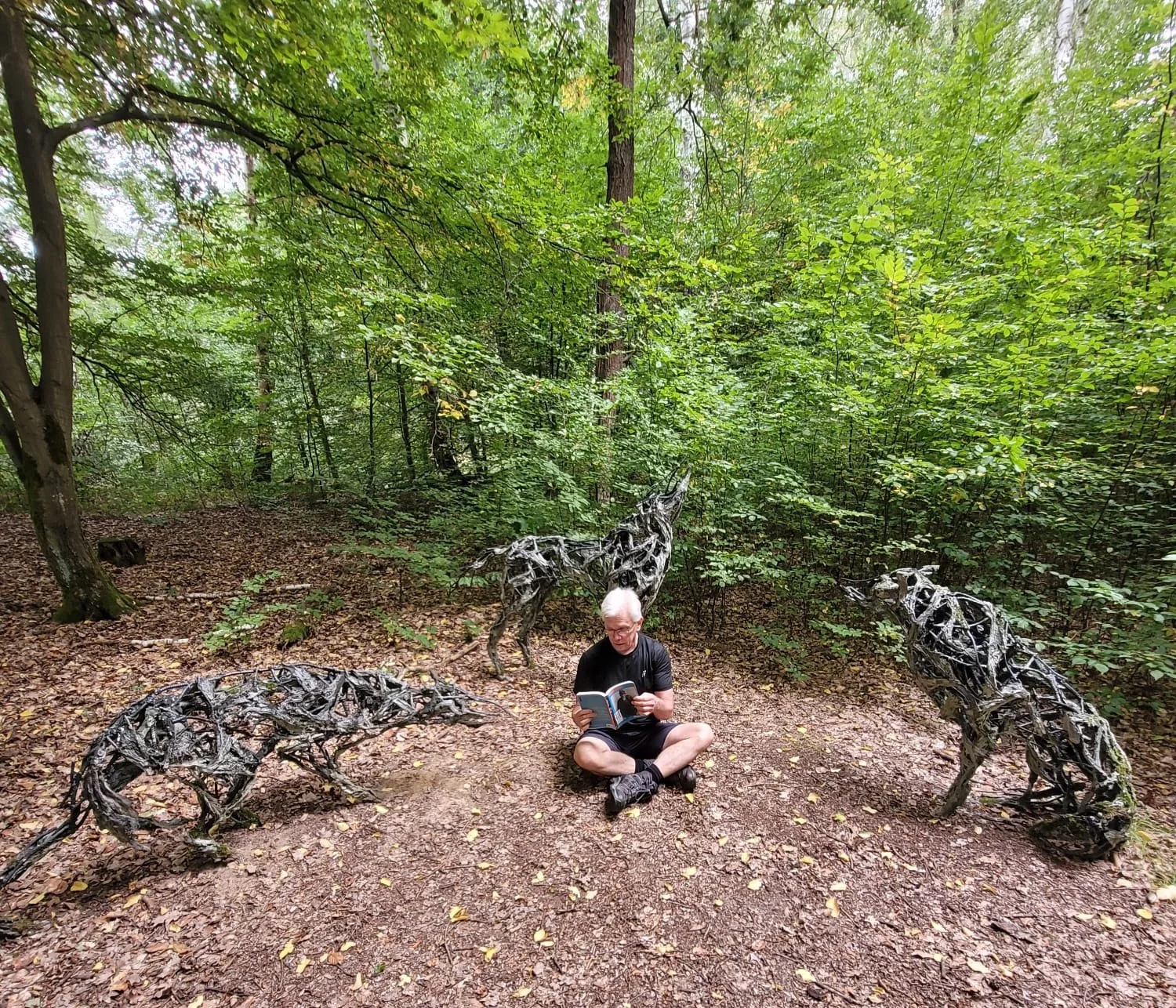
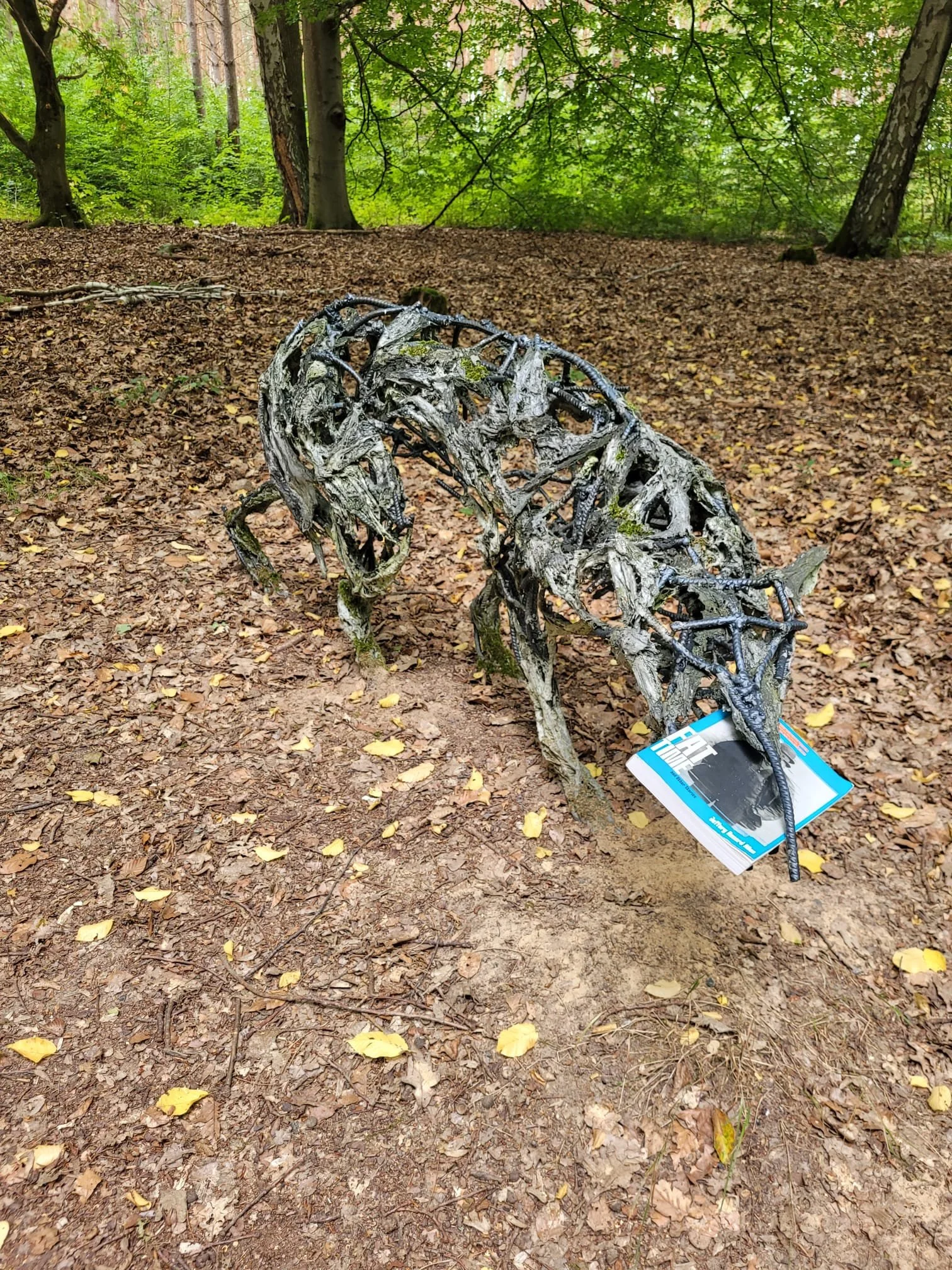
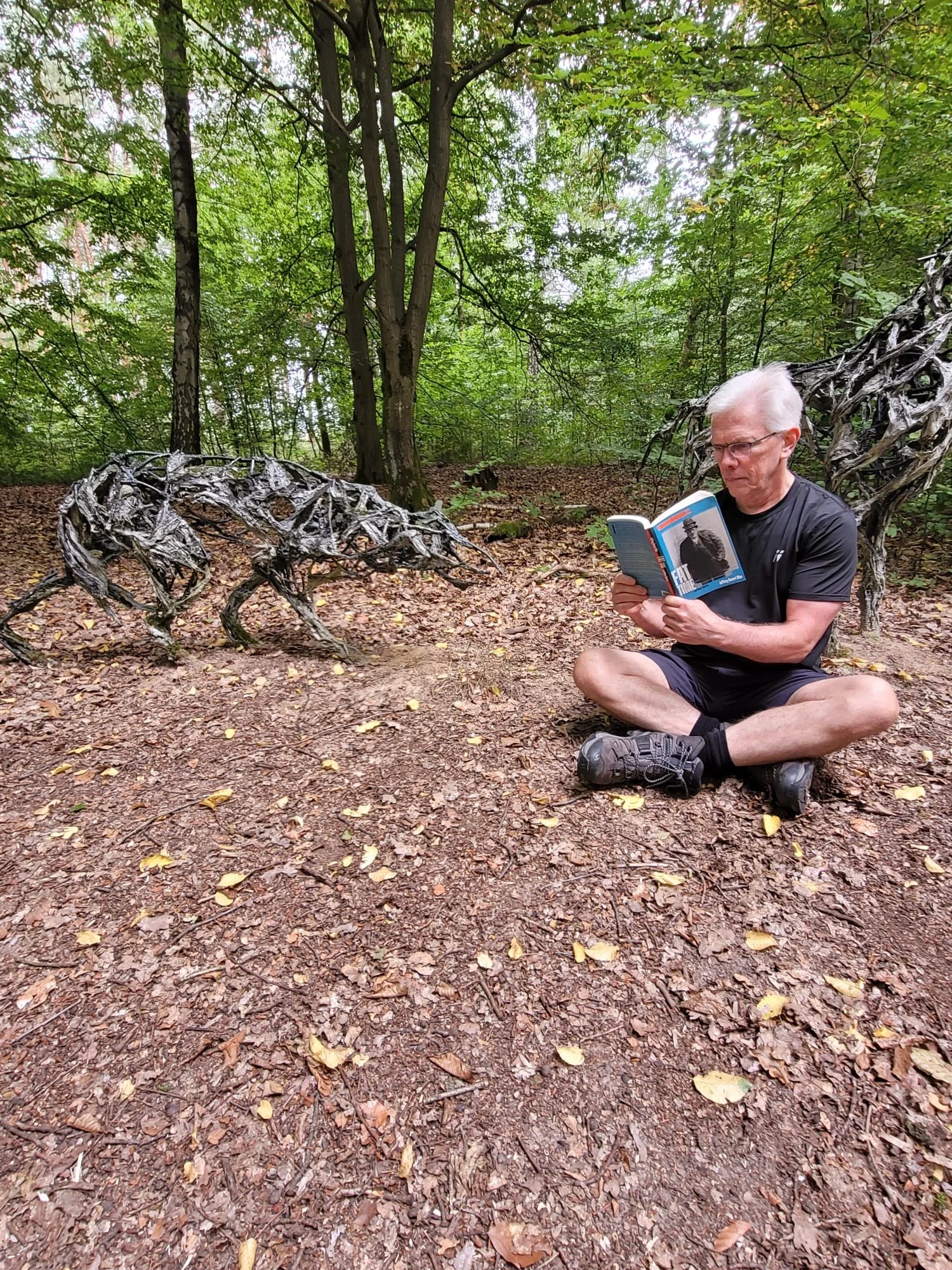
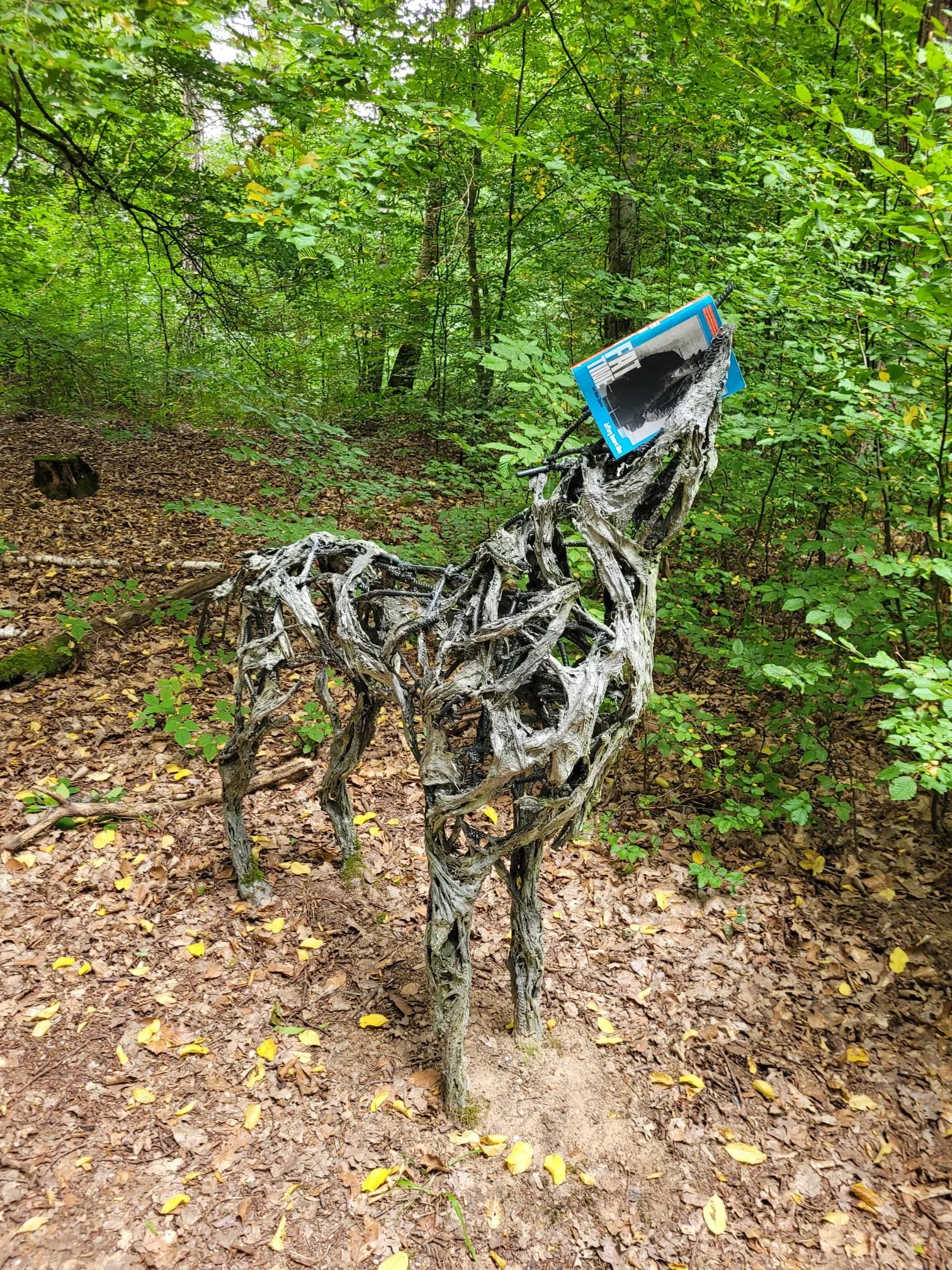
Fat Time and Other Stories, Jeffery Renard Allen

August 25, 2026 David H Weinberger
1_FatTime_StoryCircle.jpg
2_FatTime_Croucher.jpg
3_FatTime_StoryCircle2.jpg
4_FatTime_Howler.jpg
1_FatTime_StoryCircle.jpg 2_FatTime_Croucher.jpg 3_FatTime_StoryCircle2.jpg 4_FatTime_Howler.jpg

Fat Time and Other Stories, Jeffery Renard Allen, 2023.

This is an impressive short story collection with far ranging settings and narrative styles. I didn’t sense that there was a universal theme between stories other than the exploration of Black lives, and this worked really well. Many stories were written in a style that I have seen called fictionalized history, speculative history, and alternative history where Allen reimagines the lives of well-known figures, such as Mile Davis and Muhammed Ali. I read in an Allen interview his suggestion that he sees this as riffs on small incidents in these peoples life’s and I found them quite pleasurable. Stories take place in Tangier, during an albino revolt, in Australia and in more local settings such as a high school.

If there is commonality between the stories I see it as the exploration of time. For example, in several stories there is the suggestion of Fat Time, or what I took to mean the moment that past, present, and future occur at the same time. For example in the story Circle we learn of a young woman caring for her dying mother but we also learn that she is also dying in the same manner. It’s more subtle than that in most stories, more like the feel of the narrative style where you float between past, present, and future. It is a fun, circular story telling method but not without worthy reading challenges.

The most straight forward story as far as narrative style and setting, and also one of my favorites in the collection, is Big Ugly Baby. The story deals with friendship, bullying, masculinity, and developing sexuality. It is beautifully written and expertly deals with coming of age in a time when norms are so aggressively militant.

I will definitely search out and read more Jeffery Renard Allen. He has an older story collection as well as a couple of novels available. Based on how much I enjoyed Fat Time I think it would be time well spent reading him further.

In BOOKS, FICTION, READING Tags short stories, book review, READING, story collections
Comment

The Nocilla Trilogy, Augustín Fernández Mallo

August 16, 2026 David H Weinberger

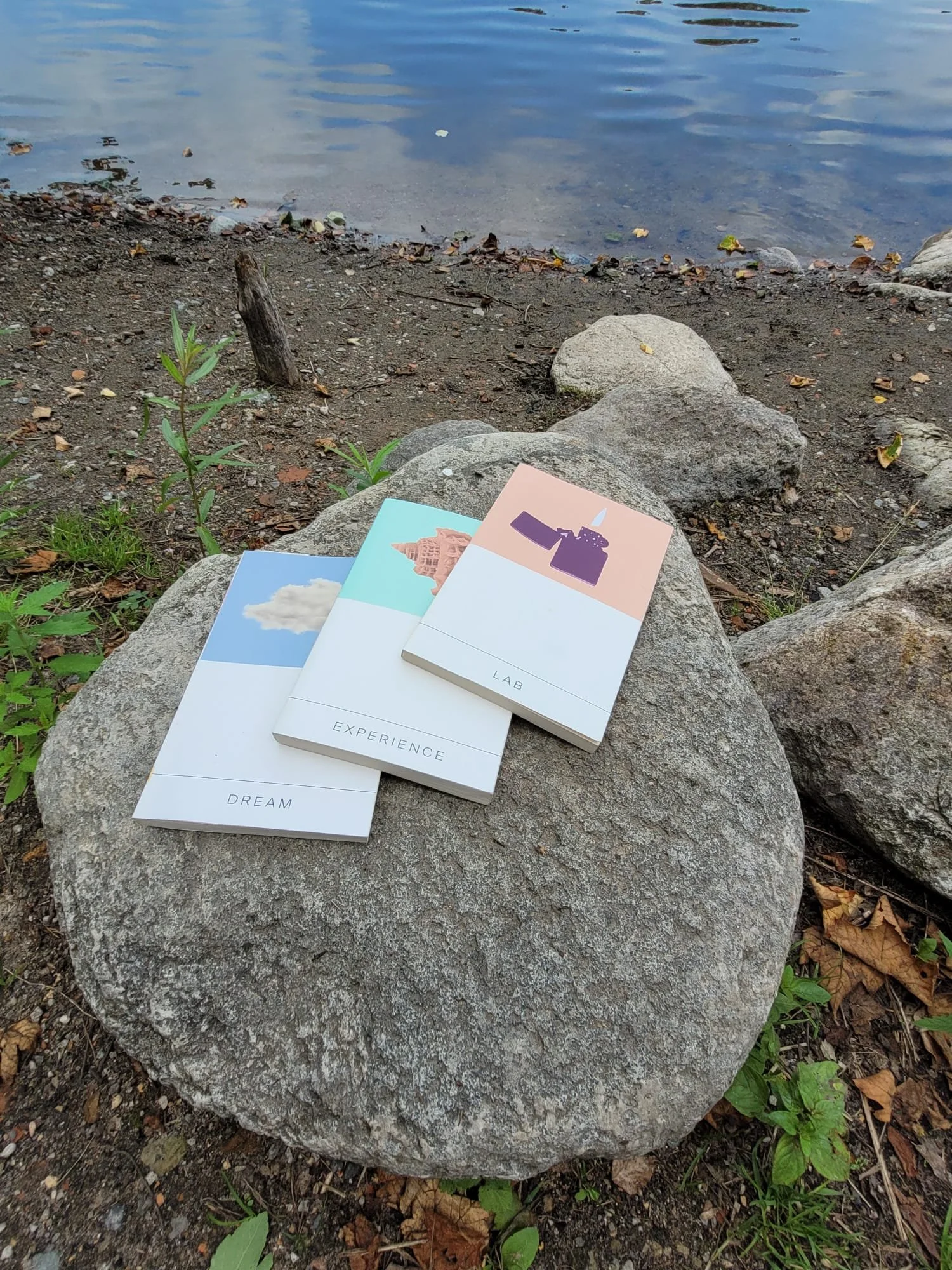
The Nocilla Trilogy alongside Amtssee

The Nocilla Trilogy: Dream, 2006, translated 2015; Experience, 2008, translated 2016; Lab, 2009, translated 2018; all translated by Thomas Bunstead.

I read these three experimental novels from Spain in 2019: I enjoyed them so much I knew I would return to them. I recently read them as part of my research for my novel in progress. I was using a writing style much like the one in the trilogy so I gave them a second read. Like the first time, I was blown away. Incredible writing and wonderful ideas and general explorations throughout. There are many reviews available online, some as pleasurable to read as the novels themselves, so I will just share a few thoughts here.

The first two novels follow the same style: brief narratives and quotes which tell disjointed stories but which hold together quite well. Dream is centered around a tree with hundreds of shoes hanging from it in the middle of the Nevada desert. Each vignette somehow streams out from there. Experience leaves the desert and casts a wider worldwide net. Both represent a complex differentiated world but focus on the relations between people and objects: they rarely meet but the connections are suggested by such things as the shoe tree, a lone shoe in the middle of a highway, and a suitcase of photographs.

The final novel, Lab, has a more traditional narrative but still has flavors of the avant-garde. It opens with a 63 page sentence relating the story of a man and woman working on a major project alongside their decaying relationship. The story concludes in a former prison turned lodge and explores identity and its dissolution. The concept of repetition, present throughout the first two volumes, takes center stage in the final volume.

Clearly the collection will not be to everyone’s liking, especially for those looking for traditional narrative, character development, and plot advancement. I, however, found the trilogy to be well worth the effort to decipher the meanings and ideas within, challenging yet rewarding, and quite simply a great deal of fun to read.

In BOOKS, FICTION, READING Tags fiction, books in translation, book review, READING
Comment

Ada Limón & Lászlo Krasznahorkai

July 8, 2026 David H Weinberger
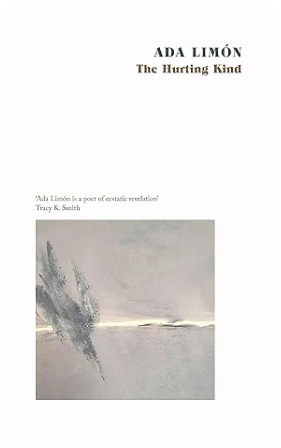
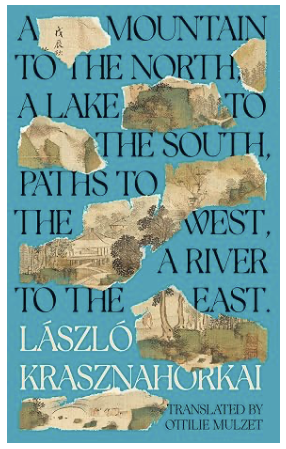
JulyReads_Limon.png JuneReads_Krasznahorkai.png

The Hurting Kind, Ada Limon, 2022. I don’t read much poetry so I find it difficult to respond to this collection but I’m glad I was introduced to it. I learned about Limon, a former US poet laureate, through Tricycle’s Daily Dharma. In these poems, Limon eloquently discusses the interconnections between people and with nature. She focuses on moments of what might be called ultimate presence which she mostly finds in nature, such as a kingfisher simply existing in its environment, or a half burned tree living what is left of its life despite its dead half. I read these poems as suggestions of how we could live our lives, being more in tune with our surroundings and accepting the simplicity of embracing our inner lives. Or as Limón says in the poem In the Shadow, ‘Why can’t I just love the flower for being a flower?’

A Mountain to the North, A Lake to the South, Paths to the West, A River to the East, László Krasznahorkai, 2003. Translated from Hungarian by Ottilie Mulzet, 2022. A very enjoyable novella from Krasznahorkai with typical cryptic meanings and beautiful meandering thought passages. The core of the novel is about the grandson of Prince Genji who searches for the perfect garden hidden in a monastery. There are wonderful descriptions of exquisite building procedures, architecture, and nature but also a great deal of more disturbing images like dead goldfish, a dying dog, and a Buddha with a turned head so he would not have to see ‘this wretched world.’ A book worth spending time with teasing out the imagery and meditations on less than perfect human behavior.

In BOOKS, READING Tags fiction, poetry, book review, Limon, Krasznahorkai, books in translation, READING
Comment

Reading List June 2026: Part 1

June 14, 2026 David H Weinberger

The Wind Whistling in the Cranes, Lidia Jorge, translated by Margaret Jull Costa and Annie McDermott. This is a Portuguese novel that takes place in Valmares, a fictional town along the Algarve coastline. It portrays two rival families: the owners of the town’s previous canning factory (the Leandro family) and working class immigrants from Cape Verde (the Matas family) who now reside in the abandoned factory. The main character Milene is a Leandro and her suitor, Antonino, is a Matas. It is a slow moving novel but still quite good. I became impatient with Milene’s slow decision making but the behavior fit her character well and as the novel developed I enjoyed her introspective tendencies and freewheeling spirit. While a lot of the story centers around the developing romance between these two characters, Jorge also explores postcolonial memory and consequences, racial antagonism, economic divisions, and the nature of evil. The novel also includes a strong sense of place, from the placement of the factory near the coast, to Milene’s inherited isolated home, from the Matas matriarch longing for Cape Verde to the Leandro’s desire to develop the property. Overall, an enjoyable read.

How The Wind Whistling in the Cranes informs my writing.

The novel’s sense of place is outstanding, something I often neglect in my stories. While setting is important in my writing, such as in my short stories Bluebird (a school bus) and Sorting Through Clams (a clamming boat), they could have been stronger had I been clearer about the importance of those places in the development of my characters. Jorge does that really well.

Jorge explores the nature of evil (something I am studying now) in her novel and I appreciate how she wove it into daily conversations and internal thoughts, rather than a blatant exposition about evil. It is masterfully done and nicely parceled out throughout the novel. It is what I am attempting with the novel I am currently writing and I will revisit Jorge’s success in implementing this skill.

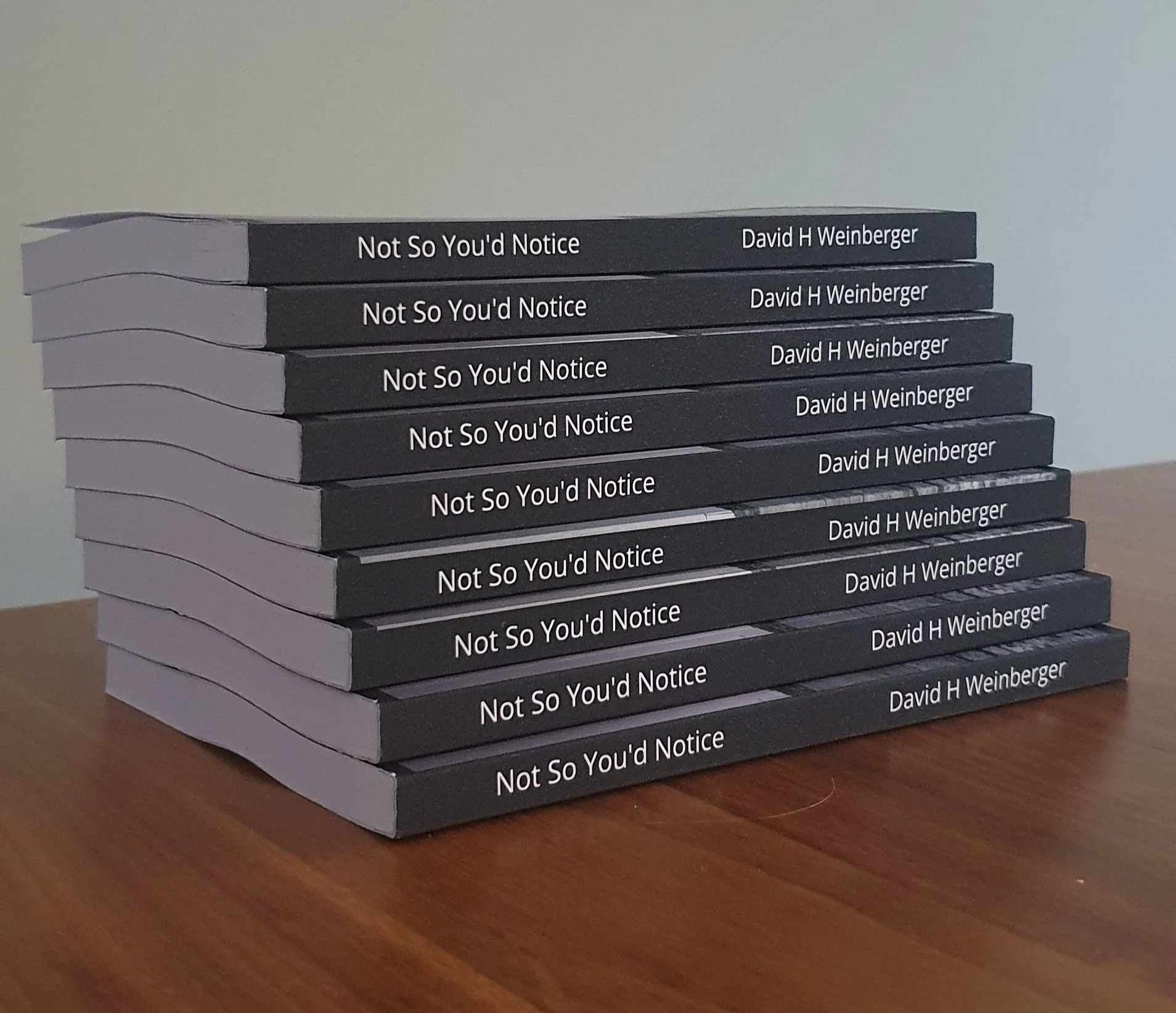
Check out my stories in my collection Not So You’d Notice available at Amazon. Let me know how sense of place is used in Bluebird and Sorting Through Clams.

In BOOKS, FICTION, READING, WRITING Tags READING, writing, book review, short stories, novel, Not So You'd Notice
Comment

Reading List March 2026

April 10, 2026 David H Weinberger
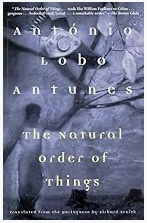
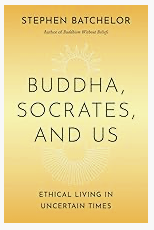
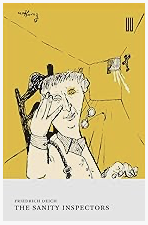
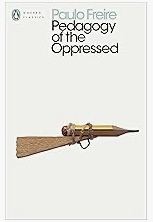
MarReads_Antunes.png MarReads_Batchelor.png MarReads_Deich.png MarReads_Freire.png MarReads_Gros.png MarReads_Phillips.png MarReads_Solnit.png

·      The Natural Order of Things, Antonio Lobo Antunes, translated by Richard Zenith. Another great stream of consciousness novel from Antunes, this time about two families falling apart in a crumbling Portugal. I love the labyrinth Antunes builds with his prose, how the confused relation between the characters slowly unfolds, and how we rapidly jump between the thoughts of different characters. Always a challenge but always rewarding.

·      Buddha, Socrates, and Us: Ethical Living in Uncertain Times, Stephen Batchelor. An interesting nonfiction book that explores the similarities and differences in the teachings of Buddha and Socrates. Well thought out explanations and investigations addressing how the teachings of the two men could aid us in living an ethical life. Considering how radically uncertain things are today I’m not sure I left with any immediate steps I could take in that direction, but still, good to be reacquainted with their line of thinking.

·      The Sanity Inspectors, Friedrich Deich, translated by Robert Kee. I thoroughly enjoyed this novel published by Boiler House Press. Sinclair McKay asks in his introduction ‘When an entire society is in the grip of a murderous set of beliefs, how might individuals retain their own moral foundations?’ He was setting up the background for The Sanity Inspectors but it is a question I ask myself on a regular basis about current affairs. And it is the question the protagonist Robert Vossmenge, a German air force psychiatrist in the 30’s and 40’s, struggles with throughout the story. Along the way Vossmenge debates the line between sanity and insanity, the need for compassion to understand others, and the role one should take in opposing oppressive and violent regimes. Truly an illuminating discussion.

·      The Pedagogy of the Oppressed, Paulo Freire, translated by Myra Bergman Ramos. The first time I read this book was while getting my undergraduate degree, the second during my years of my master’s degree, and the third this month. A good book to return to often to understand oppression and the role of education in freeing oppressed people. Pertinent today as much as when it was written in the 60’s, it’s like Freire is directly addressing the growing American Oligarchy and the oppressive administration. Great reading!

·      A Philosophy of Walking, Frédéric Gros, translated by John Howe. I took this book with me on my week-long walk on Germany’s Rennstieg and read it when I was not walking the trail. It is a great accompaniment to a week of slow hiking on a fantastic trail. Because my wife and I were not feeling well we dramatically slowed down our hiking pace and walked some distance apart. I felt exactly what Gros was talking about in his book: feeling embraced by the environment, escaping my identity, clearing my mind, and having nothing to do but put one foot in front of the other. Gros discusses prominent philosophers who incorporated walking into their daily routines along with accompanying thoughts about his own wanderings and a general history of walking. This is a very interesting read with plenty of insightful comments about the idea of walking and what it means to slow down and rebel against speed.

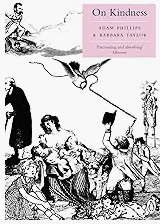
·      On Kindness, Adam Phillips and Barbara Taylor. Through historical, philosophical and psychoanalytic investigations Phillips and Taylor offer answers to the question why kindness seems so dangerous. They support the view that contemporary society drives out the natural kindness of children and that kindness is now seen as a weakness. A good primer on kindness

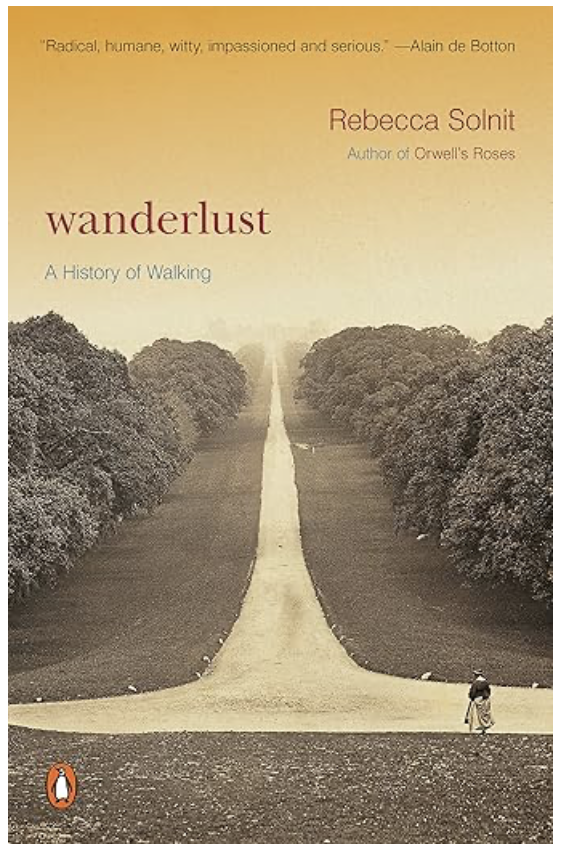
·      Wanderlust: A History of Walking, Rebecca Solnit. This was a nice companion read alongside Gros’ book while walking the Rennsteig. Unlike Gros’ focus on long distance walking, Solnit’s is an exhaustive history of walking, from walking in gardens and cities, to pilgrimages and marches. The guiding message of these essays is that walking ‘is a state in which the mind, the body, and the world are aligned.’ But Solnit also gives fair amount of time to the increasing lack of walking in today’s society due in large part to ‘automobilization and suburbanization.’ Not quite as intriguing as Gros’ book but still worth the read.
In BOOKS, FICTION, READING Tags READING, novels, nonfiction, philosophy, reading list
Comment

Reading List January 2026

February 11, 2026 David H Weinberger
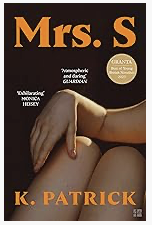
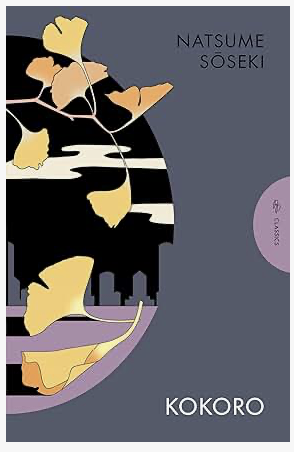
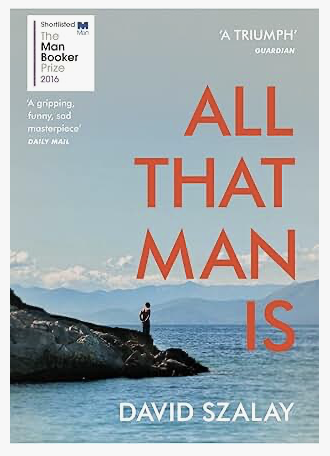
JanReads_Bowles.png JanReads_Cole.png JanReads_Patrick.png JanReads_Soseki.png JanReads_Szalay.png

I’m not sure why I only read five books in January but there it is. Like December, I put off writing brief reviews a bit too long so here I provide simply a list of my January books.

·      Plain Pleasures, Jane Bowles.

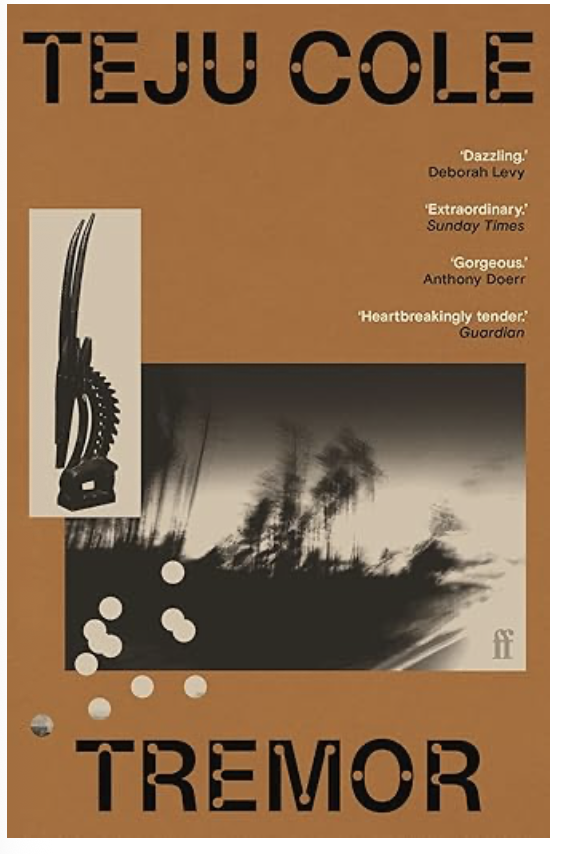
·      Tremor, Teju Cole.

·      Mrs. S, K. Patrick, 4th Estate, 2023.

·      Kokoro, Natsume Soseki, translated by Edwin McClellan.

·      All That Man Is, David Szalay.

In READING, FICTION, BOOKS Tags READING, books, fiction, books in translation
Comment

Reading List December 2025

February 11, 2026 David H Weinberger
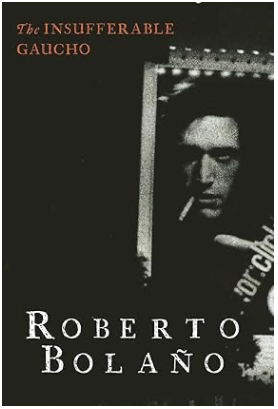
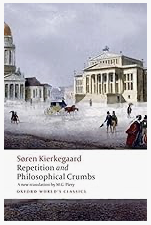
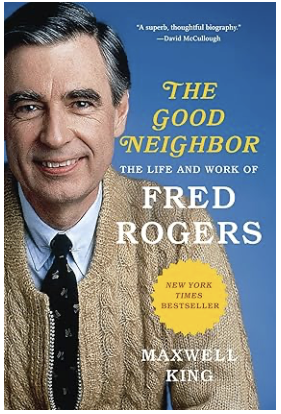
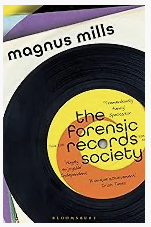
DecReads_Antunes.png DecReads_Bolano.png DecReads_Kiergegaard.png DecReads_King.png DecReads_Mills.png DecReads_Msohfegh.png DecReads_Vonnegut.png

No reviews here because I put it off too long. Just a list of the books I read in December 2025.

·      Midnight is Not in Everyone’s Reach, António Lobo Antunes, translated by Elizabeth Lowe.

·      The Insufferable Gaucho, Roberto Bolaño, translated by Chris Andrews and Natasha Wimmer.

·      Repetition, Soren Kiergegaard.

·      The Good Neighbor: The Life and Work of Fred Rogers, Maxwell King

·      The Forensic Records Society, Magnus Mills.

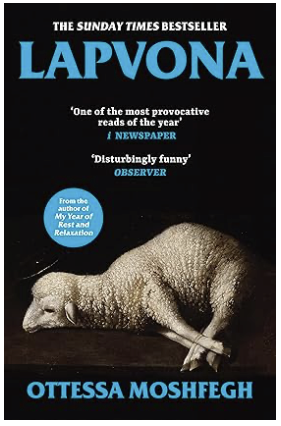
·      Lapvona, Ottessa Moshfegh.

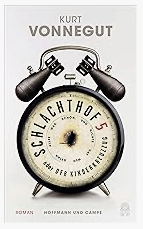
·      Slaughterhouse Five, Kurt Vonnegut.

In FICTION, READING, BOOKS Tags fiction, philosophy, READING
Comment
Older Posts →
Summary Block
This block is invalid. Please check the block settings and try again.
Featured
Aenean eu leo Quam
Aenean eu leo Quam

Quisque iaculis facilisis lacinia. Mauris euismod pellentesque tellus sit amet mollis.

Read more →

Powered by Squarespace