Reading Morocco

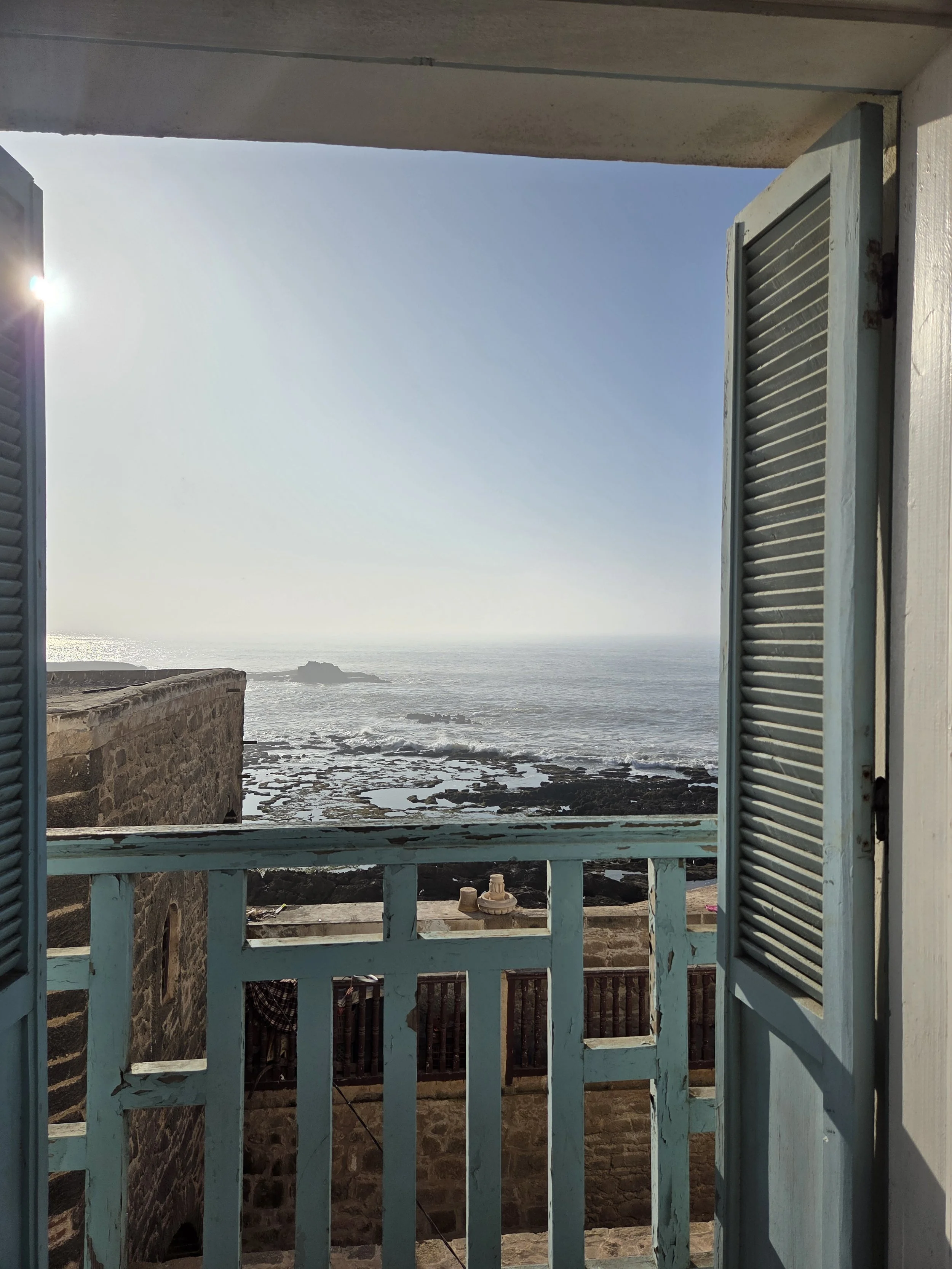
I spent the past four weeks traveling around Morocco and except for one book read only Moroccan authors. Following are the eight books I read with brief comments. A few are well worth checking out but overall, it was a pleasure to read each one that originated from the locale I found myself in.

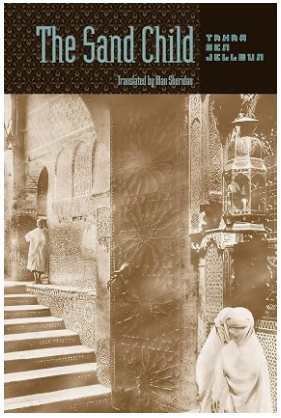
The Sand Child, Tamar Ben Jelloun, 1985. Translated from the French by Alan Sheridan, 1987. This is my favorite Moroccan novel from the past month. A father grown weary with his seven daughters raises his eight daughter as a boy. A powerful exploration of gender roles, expectations, and privilege. The narrative also includes an enjoyable look at the oral storytelling tradition.

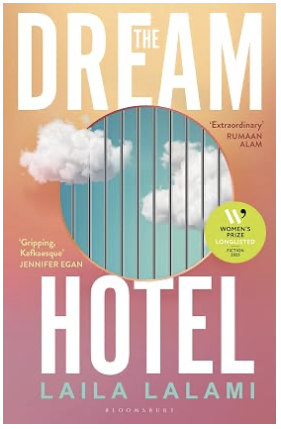
The Dream Hotel, Laila Lalami, 2025. Another excellent novel by a Moroccan-American. The protagonist is incarcerated because of the dangers her dreams reveal. Themes of surveillance, loss of freedom, personal data collection, and dwindling humanity in a for profit society.

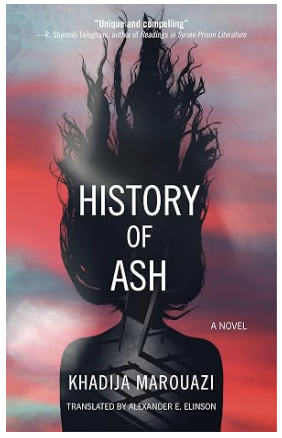
History of Ash, Khadija Marouazi, 2000. Translated from the Arabic by Alexander E. Elinson, 2023. A fictional prison experience during the 70’s and 80’s exploring the brutality, abuse, and lack of humanity emblematic of a powerful regime.

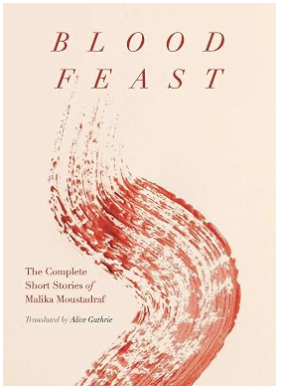
Blood Feast, Malika Moustadraf, 2004. Translated from the Arabic by Alice Guthrie, 2022. A short story collection exploring gender and sexuality in the face of patriarchal power.

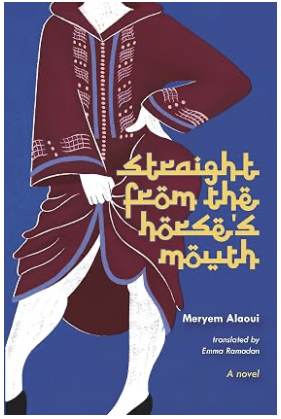
Straight From the Horse’s Mouth, Meryem Alaoui, 2018. Translated from the French by Emma Ramadan, 2020. A well-written novel about the daily grind of a prostitute in Casablanca who eventually is taken in by a movie director to make a film about her life. Another depiction of poverty and struggle but with an enlightening story of friendship and camaraderie.

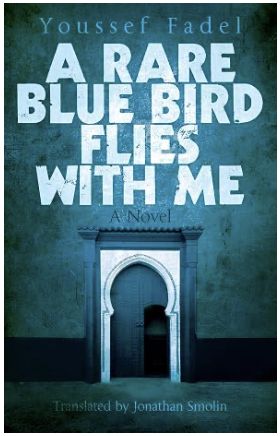
A Rare Blue Bird Flies With Me, Youssef Fadel, 2013. Translated from the Arabic by Jonathan Smolin, 2016. A story about a young woman’s long search for her disappeared husband which takes place between the 70’s and the 90’s. More abuse and patriarchal power but tempered by a great narrative.

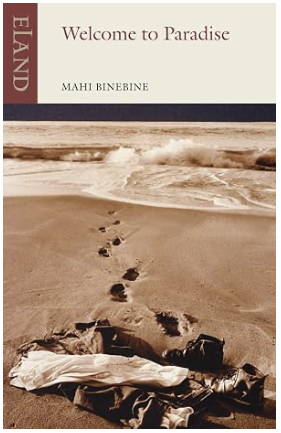
Welcome to Paradise, Mahi Binebine, 1999. Translated from the French by Lulu Norman, 2003. A novel from the point of view of a group of emigrants waiting on a beach for a chance to take a boat to Europe. A bit of coming-of-age story as well as delving into poverty, dreams of a better life, and the allure of escape.

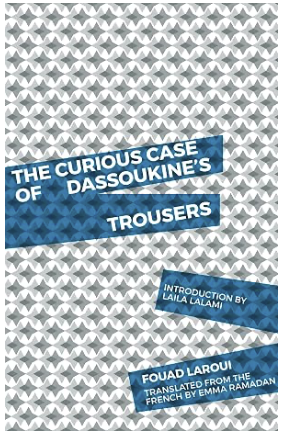
The Curious Case of Dassoukine’s Trousers, Fouad Laroui, 2012. Translated by Emma Ramadan, 2016. A humorist approach to the human condition. Fine stories but the least of my favorites in this list. Some good quotes though, such as “It’s mad how we adapt to degradation.” Perfectly topical.

That’s eight Moroccan books written by Moroccans. I tried to find a few books with a more upbeat feel but those tended to be written by non-Moroccans while I was limiting myself to Moroccans. The Dream Hotel is a good introduction to Moroccan literature, followed closely by The Sand Child and A Rare Blue Bird Flies With Me.
Rota Vicentina

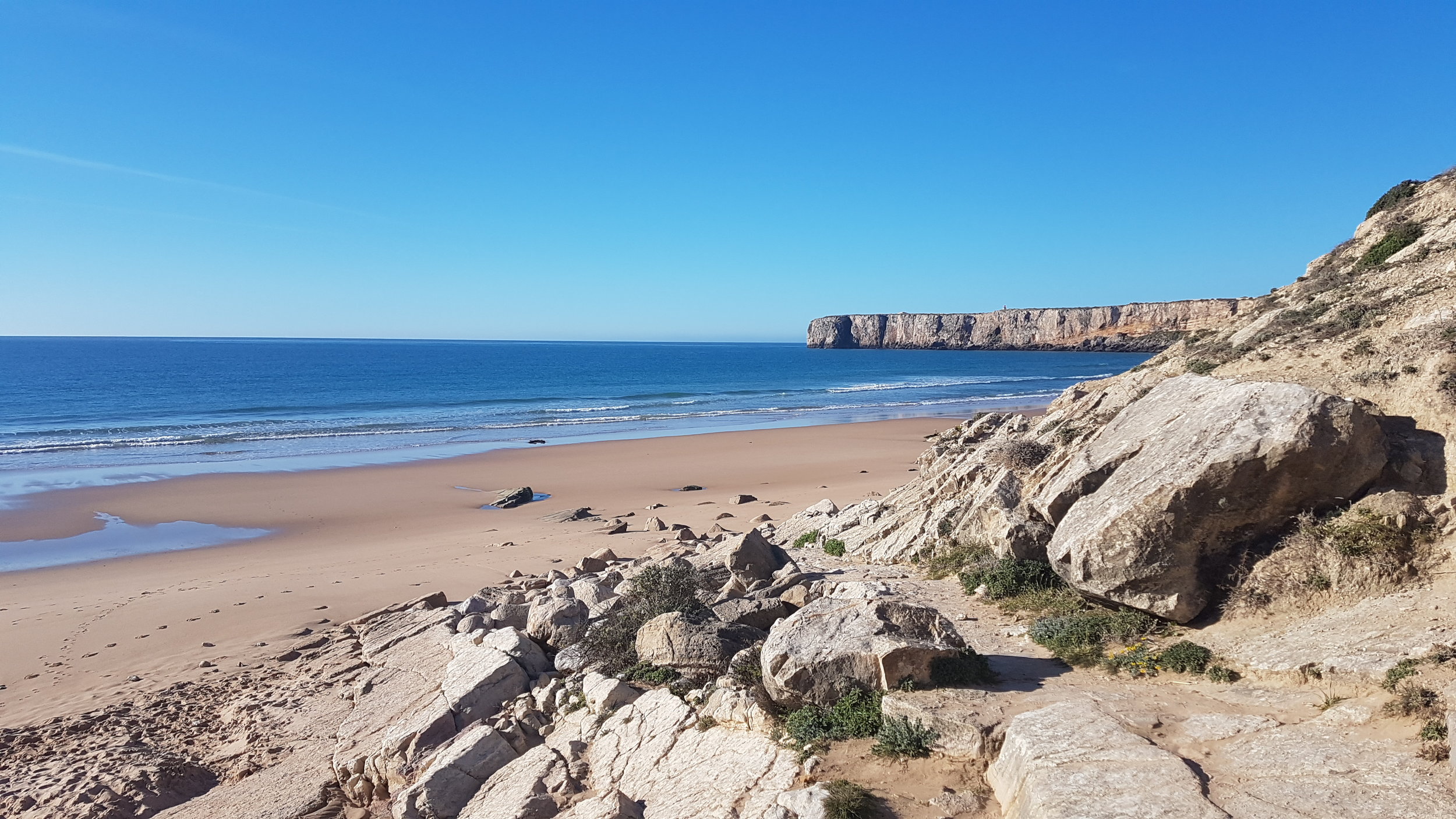
I recently returned from walking a large portion of the Rota Vicentina Trail in Portugal. I would love to do it again.

RVT_Beach.jpg

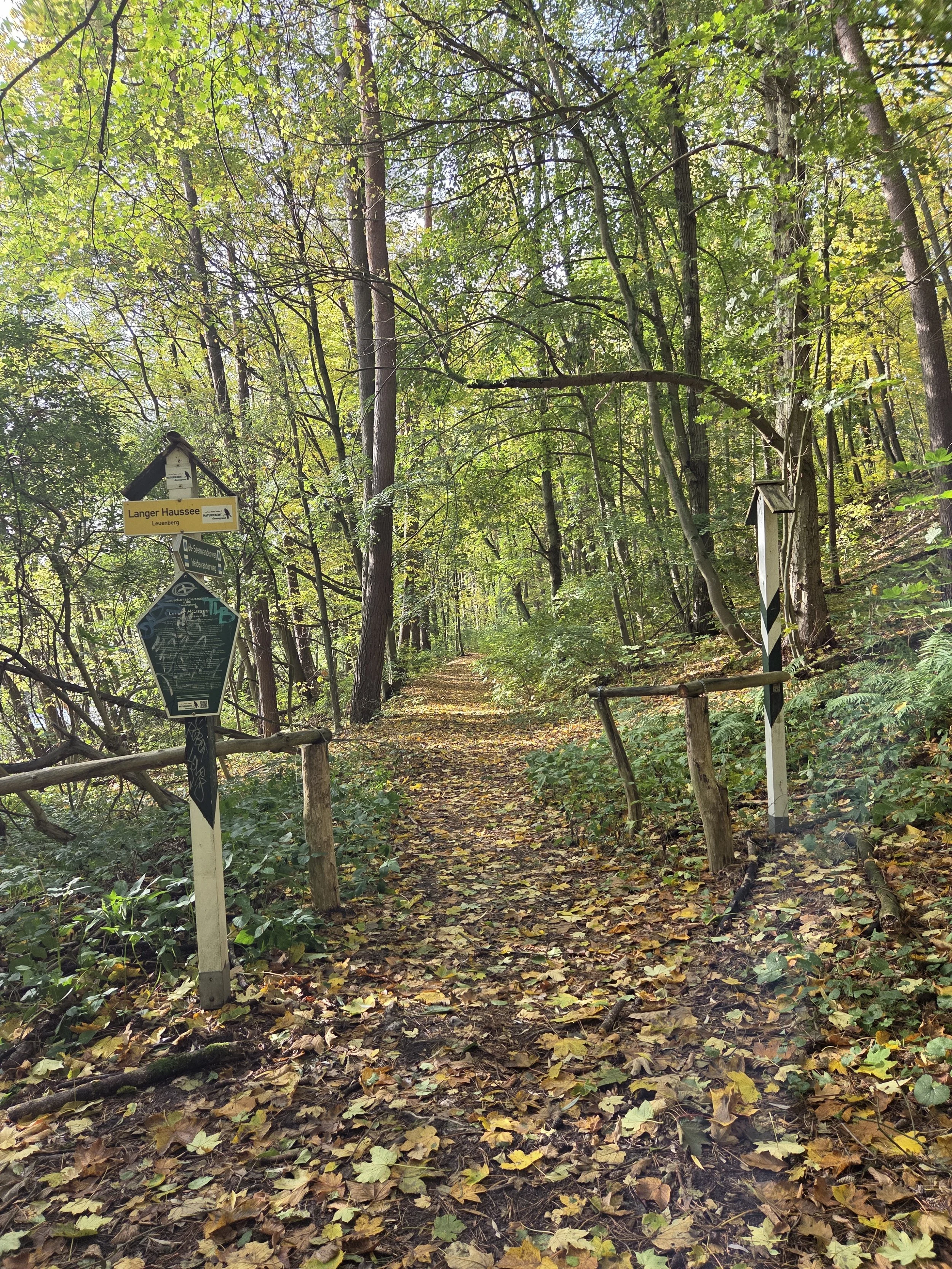
This was an incredible twelve day hike on the coast (The Fishermans Way) and a little bit inland (The Historical Way). The trails were easy to walk and very well-marked. I may have spent longer staring at and contemplating the ocean than actual walking, but it was time well spent. Heading back to Berlin after two weeks living out of a backpack was good, but I miss the tranquility and flow of walking in sand, listening to the waves crash on shore, and the overwhelming beauty of Portugal.

RVT_Packs.jpg
RVT_Inland.jpg
RVT_Final.jpg

Rheinsteig Finale

We finished hiking the entire Rheinsteig, from Bonn to Wiesbaden, this past Friday. It was an incredible hike and quite challenging. The weather was mostly accommodating with only a few days of rain; for most downpours we were safely nestled in a hotel or restaurant. The seemingly unending ascents were difficult but manageable, with the steep descents being much more difficult because of the old knees we carry. We walked 320 kilometres and 79 hours. 

As we walked, I could not help comparing the Rheinsteig to the Camino, of which, we have only covered one week (from Paloma to Burgos). Our companions on the Rheinsteig have walked the Camino many times. Overall, the Rheinsteig has a lot more steep and demanding climbs than the Camino, unless you start the Camino in France where you have a mountain range you must negotiate before you get to rolling hills. The Camino is better supported for the long-distance hiker, with plenty of water fountains, snack stops along the way, as well as cheap accommodations scattered throughout the trail. The Rheinsteig has no water breaks, spotty refreshments, and expensive and sub-par accommodations. In Germany, there are also closed days for the restaurants, so coming into a town you cannot know what will be open, if anything at all. These Rheinsteig complaints, however, did not reduce the amount of joy and excitement we received from hiking the trail. It is a remarkable trail, with breath-taking vistas, and beautiful landscapes. I would definitely do it again and recommend it to anyone interested in long-distance hiking.

Typical Rheinsteig scenery.

Typical Rheinsteig scenery.

Typical Camino scenery.

Typical Camino scenery.

Rheinsteig Hund

Fourteen year old Ruby has been quite the trooper on our hike, climbing the big hills and scurrying down the slopes faster than the both of us. Nothing slows her down. In the evening she sleeps deeply with a bit of snoring and in the morning reluctantly allows the harness to be put on. She quickly, however, gets into the spirit of the hike and almost always leads the way.

20170928_145715.jpg
20170926_134307.jpg
20170917_132948.jpg
20170930_153621.jpg
20171002_122339.jpg

Rheinsteig Way

One of the great things about the Rheinsteig trail is the diversity of the paths we are walking on, from cobblestoned streets to pine needle covered dirt trails, steep rocky ascents and descents to calm easy field trails. Below is a sampling of some trail surfaces we have walked on the past two weeks. I will add more as we encounter them.

Rheinsteig Structures

The Rheinsteig is scattered with old structures, castles, and other ruins. Tomorrow's hike includes plenty of UNESCO recognized castles and castle ruins and I look forward to seeing them and posting about them. Until then, here are some photos of structures we have seen over the past week and a half.

That's us of course, and in the background is Marksburg, above Braubach.

That's us of course, and in the background is Marksburg, above Braubach.

Sayn Schloss and fort above.

Sayn Schloss and fort above.

Schloss Arenfels with a modern freeway behind it.

Schloss Arenfels with a modern freeway behind it.

Drachenfels.

Drachenfels.

Railroad bridge.

Railroad bridge.